★Open Access • Peer-Reviewed • Established 1988

Pakistan Journal of Pharmaceutical Sciences

Pakistan Journal of Pharmaceutical Sciences (PJPS) is an international, peer-reviewed, open-access journal dedicated to publishing high-quality research that advances pharmaceutical, biomedical, and medicinal sciences. Published by the Faculty of Pharmacy and Pharmaceutical Sciences, University of Karachi since 1988, PJPS provides a trusted platform for researchers, academicians, clinicians, and industry professionals worldwide to disseminate innovative discoveries, foster scientific collaboration, and accelerate the translation of research into better healthcare outcomes. We welcome original research, reviews, and emerging innovations that shape the future of pharmaceutical sciences.

Journal Cover 40 Issue 1
0.6
IMPACT FACTOR
Clarivate Analytics
1011-601X/3105-9686
ISSN PRINT / ONLINE
Since 1988
12500+
TOTAL CITATIONS
Google Scholar
6000+
ARTICLES PUBLISHED
Peer-Reviewed
100+
COUNTRIES REACHED
Global Readership

Latest Research Articles

Browse All Articles
original articlesPublished Date:
Volume 40, Issue 3Available Online Date: 04 Nov 2026

Comparative study of ultrasonic-assisted extracts of twelve traditional medicinal plants for in-vitro assessment of anticancer activity along with phytochemical and antioxidant potential

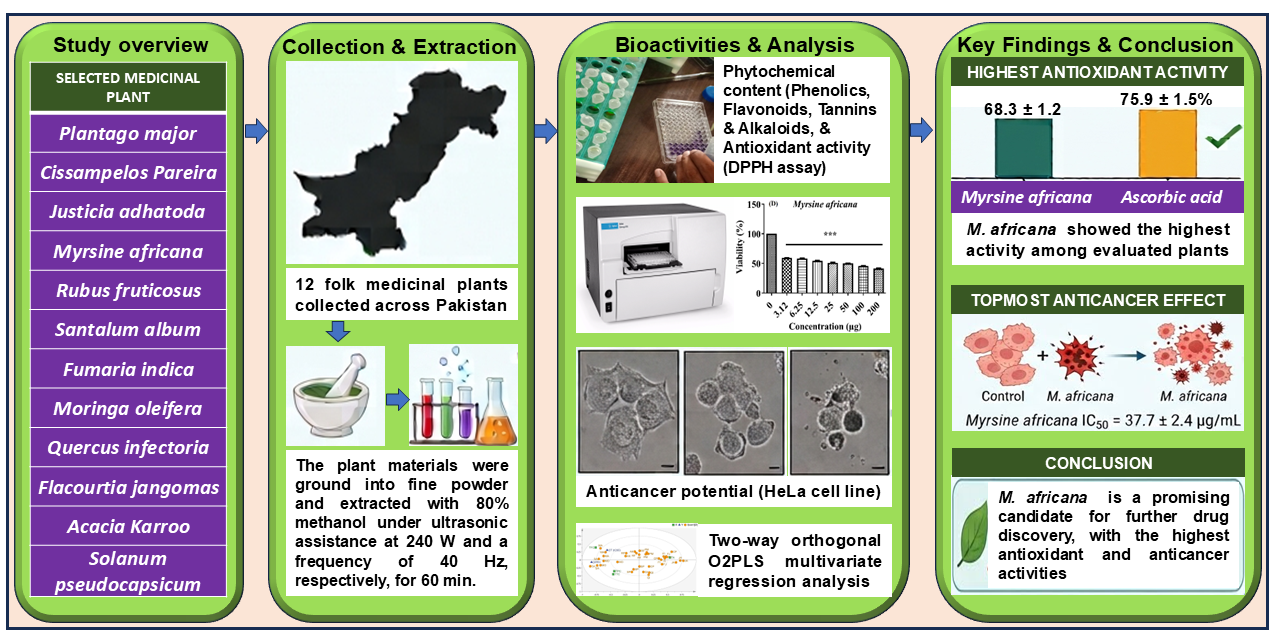
Abstract: Background: Pakistan has 6,000 plant species and several of these are known to have medicinal properties. However, dozens of plants are still scientifically unexplored or under-explored for their medicinal and therapeutic potential. Therefore, in the present study, twelve folk medicinal plants, including Plantago major, Cissampelos pareira, Justicia adhatoda, Myrsine africana, Rubus fruticosus, Santalum album, Solanum pseudocapsicum, Fumaria indica, Moringa oleifera, Quercus infectoria, Flacourtia jangomas and Acacia karroo, were chosen. Objectives: The study aimed to assess phytochemical content, antioxidant activity and anticancer potential. Methods: The extracts were prepared in 80% methanol under ultrasonic assistance. The antioxidant activity was measured using the DPPH method and the phytochemical content was evaluated following standard protocols. The cytotoxic potential was assessed using the MTT colorimetric assay against the HeLa cell line and multivariate regression analysis identified the common group (s) of bioactive metabolites among the studied plants. Results: The extraction yield was between 6.0% and 14.6%, depending on the plant material. Phytochemical analysis revealed varying levels of phenolics, flavonoids, tannins and alkaloids. Among all tested plants, M. africana exhibited the highest DPPH free radical-scavenging activity at 68.3 ± 1.2%, just below ascorbic acid (75.9 ± 1.5%), while J. adhatoda had the lowest (42.3 ± 2.5%). The MTT assay indicated that all plant extracts, except J. adhatoda, F. indica and F. jangomas, demonstrated promising anticancer effects, with M. africana showing the most potent activity (IC50 = 37.7 ± 2.4 µg/mL). The two-way orthogonal PLS multivariate regression analysis identified phenolics and flavonoids as important classes of phytochemicals present in M. africana, S. album and M. oleifera, responsible for their potent antioxidant and cytotoxic properties. Conclusion: The results reveal that among the studied plants, M. africana exhibits the most significant antioxidant and cytotoxic potential. However, further research is recommended to isolate and identify the specific antioxidant and anticancer compounds.
Comparative study of ultrasonic-assisted
extracts of twelve traditional medicinal plants for in-vitro assessment
of anticancer activity along with phytochemical and antioxidant potential
Page No:795-806
Sajjad Ali, Muhammad Riaz, Muhammad ShafiqueView more
View Abstract
original articlesPublished Date:
Volume 40, Issue 3Available Online Date: 04 Nov 2026

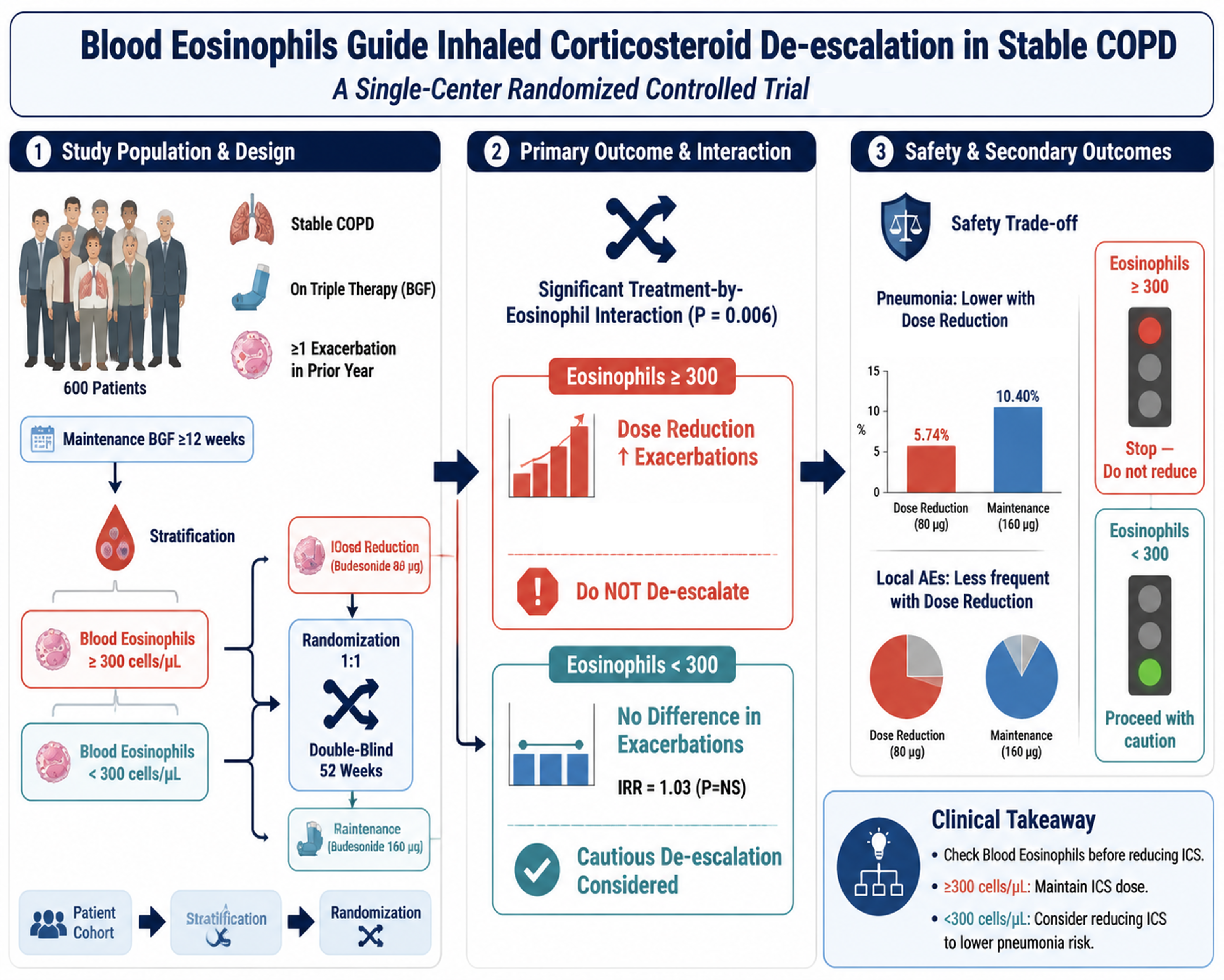
Eosinophil-guided inhaled corticosteroid de-escalation and its impact on acute exacerbations in stable chronic obstructive pulmonary disease (COPD) patients receiving triple inhaled therapy: A single-center randomized controlled trial

Abstract: Background: Acute exacerbations of COPD increase hospitalization and death risk. Randomized evidence on blood eosinophil-guided inhaled corticosteroid (ICS) dose reduction in stable triple-therapy patients is lacking. Objectives: To evaluate whether blood eosinophil stratification modifies the effect of budesonide dose reduction (from 160 µg to 80 µg per actuation) on acute exacerbations in stable COPD patients receiving budesonide/ glycopyrrolate/formoterol (BGF) triple therapy. Methods: This double-blind randomized controlled trial enrolled 600 stable COPD patients on maintenance BGF for ≥12 weeks with ≥1 prior exacerbation. Patients were stratified by blood eosinophils (<300 vs ≥300 cells/µL) and randomized 1:1 to ICS reduction (budesonide 80 µg) or maintenance (budesonide 160 µg) for 52 weeks. The primary outcome was the annualized rate of moderate-to-severe exacerbations, analyzed using negative binomial regression with interaction testing. The trial was registered with the China Clinical Trial Registration Center (MR-51-22-003984). Results: In the ITT population, the annualized exacerbation rate was higher with ICS reduction, but the difference was not significant (IRR=1.17, P=0.064). A significant treatment-by-eosinophil interaction was present (P=0.006). At eosinophils ≥300 cells/µL, dose reduction increased exacerbations (IRR=1.57, P=0.002) and shortened time to first exacerbation (HR=1.69, P=0.002). At eosinophils <300 cells/µL, no difference was observed (IRR=1.03). Pneumonia (5.74% vs 10.40%, P=0.049) and local adverse events were less frequent with dose reduction. Conclusion: Blood eosinophils significantly modify the effect of ICS dose reduction (P_interaction=0.006). Dose reduction is not recommended when eosinophils ≥300 cells/µL. When eosinophils <300 cells/µL, cautious dose reduction may be considered to reduce adverse events without increasing exacerbations.

Eosinophil-guided
inhaled corticosteroid de-escalation and its impact on acute exacerbations in
stable chronic obstructive pulmonary disease (COPD) patients receiving triple
inhaled therapy: A single-center randomized controlled trial
Page No:783-794
Zhou Zheng, Liu Chen
View Abstract
original articlesPublished Date:
Volume 40, Issue 3Available Online Date: 13 Nov 2026

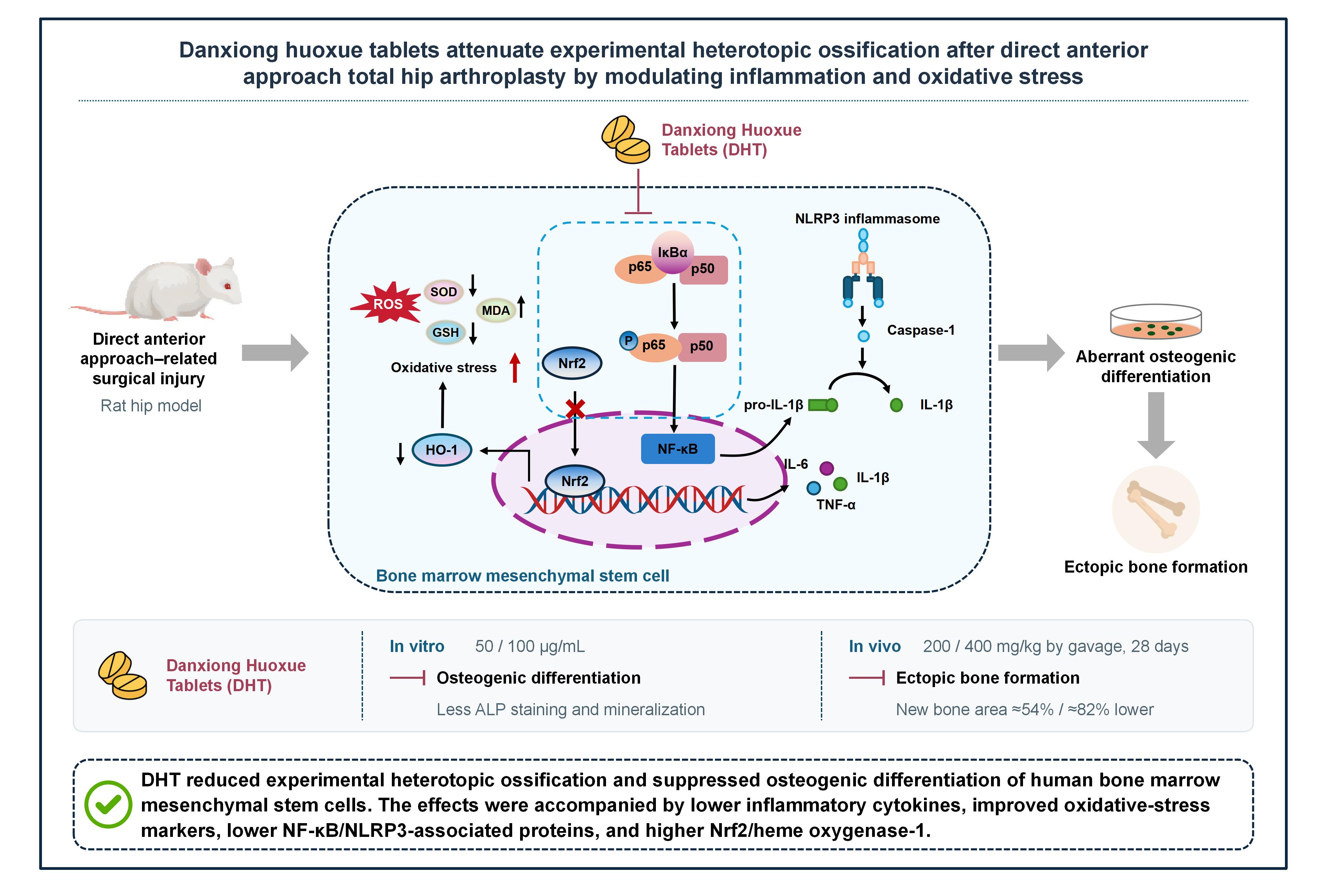
Danxiong huoxue tablets attenuate experimental heterotopic ossification after direct anterior approach total hip arthroplasty by modulating inflammation and oxidative stress

Abstract: Background: Direct anterior approach total hip arthroplasty (DAA-THA) is associated with postoperative heterotopic ossification (HO), which may impair joint function. Inflammation and oxidative stress are important contributors to HO development. Danxiong Huoxue Tablets (DHT) possess potential anti-inflammatory and antioxidant activities, but their effects on postoperative HO remain insufficiently investigated. Objectives: This preclinical study aimed to evaluate the effects of DHT on experimental HO and to explore its possible association with inflammatory and oxidative stress-related signaling using a rat DAA-induced HO model and an osteogenic differentiation model of human bone marrow mesenchymal stem cells (hBMSCs). Methods: A rat DAA-induced HO model was established and treated with low- and high-dose DHT for 28 days. X-ray and histological analyses were used to evaluate ectopic bone formation. ELISA and Western blotting were employed to assess inflammatory cytokines (TNF-α, IL-6, IL-1β), oxidative stress biomarkers (SOD, GSH-Px, MDA) and related signaling proteins (NF-κB p65, NLRP3, Nrf2, HO-1). In parallel, hBMSCs were used to examine the effects of DHT on cell viability, osteogenic differentiation and related molecular changes. Results: DHT administration reduced ectopic bone formation in the rat HO model, as confirmed by imaging and histological analyses. DHT also decreased pro-inflammatory cytokine levels, improved oxidative stress-related markers, reduced NF-κB/NLRP3 pathway-related protein expression and increased Nrf2/HO-1 expression. In-vitro, DHT suppressed hBMSC osteogenic differentiation and downregulated Runx2, Osterix, BMP-2 and OCN expression. Conclusion: DHT attenuated experimental DAA-induced HO in rats and inhibited osteogenic differentiation of hBMSCs, possibly by reducing inflammatory responses and oxidative stress. These findings provide preclinical evidence supporting further investigation of DHT as a potential adjunctive strategy for preventing postoperative HO.

Danxiong&nbsp;huoxue&nbsp;tablets&nbsp;attenuate
experimental heterotopic ossification after direct anterior approach total hip arthroplasty by
modulating inflammation and oxidative stress
Page No:772-782
Wenhui Luo, Xuhui Wu
View Abstract
original articlesPublished Date:
Volume 40, Issue 3Available Online Date: 02 Nov 2026

Network pharmacology-based prediction of Farfarae Flos and Pseudostellaria heterophylla in asthma treatment

Abstract: Background: Asthma is a prevalent reversible airway disorder. Traditional Chinese medicine herbs Farfarae Flos and Pseudostellaria heterophylla may have therapeutic effects, but their mechanisms remain unclear. Objectives: To identify active components, key targets and molecular mechanisms of these herbs in asthma treatment via network pharmacology, molecular docking and gene expression validation. Methods: Active compounds and targets were screened from TCMSP (OB≥30%, DL≥0.18). Asthma-related targets were retrieved from GeneCards, DrugBank and OMIM. PPI network analysis, GO/KEGG enrichment and molecular docking were performed. PTGS2 expression was validated using GEO data. Results: A total of 176 targets were identified for Farfarae Flos, 74 for Pseudostellaria heterophylla and 242 for asthma, yielding 15 common targets. GO enrichment involved cytokine activity and prostaglandin-endoperoxide synthase activity; KEGG highlighted HIF-1, IL-17, C-type lectin and TNF pathways. Docking predicted that quercetin, luteolin and kaempferol had strong binding to PTGS1/PTGS2. PTGS2 expression was significantly upregulated in asthma patients versus healthy controls. Conclusion: These herbs may exert predicted potential activity through multi-component, multi-target and multi-pathway mechanisms, with PTGS1/PTGS2 as core targets and quercetin/luteolin/kaempferol as potential active ingredients.

Network
pharmacology-based prediction of Farfarae
Flos and Pseudostellaria heterophylla
in asthma treatment
Page No:763-771
Yunlai Wu, Mengbo Yang, Ting WangView more
View Abstract
reviewsPublished Date:
Volume 40, Issue 3Available Online Date: 26 Nov 2026

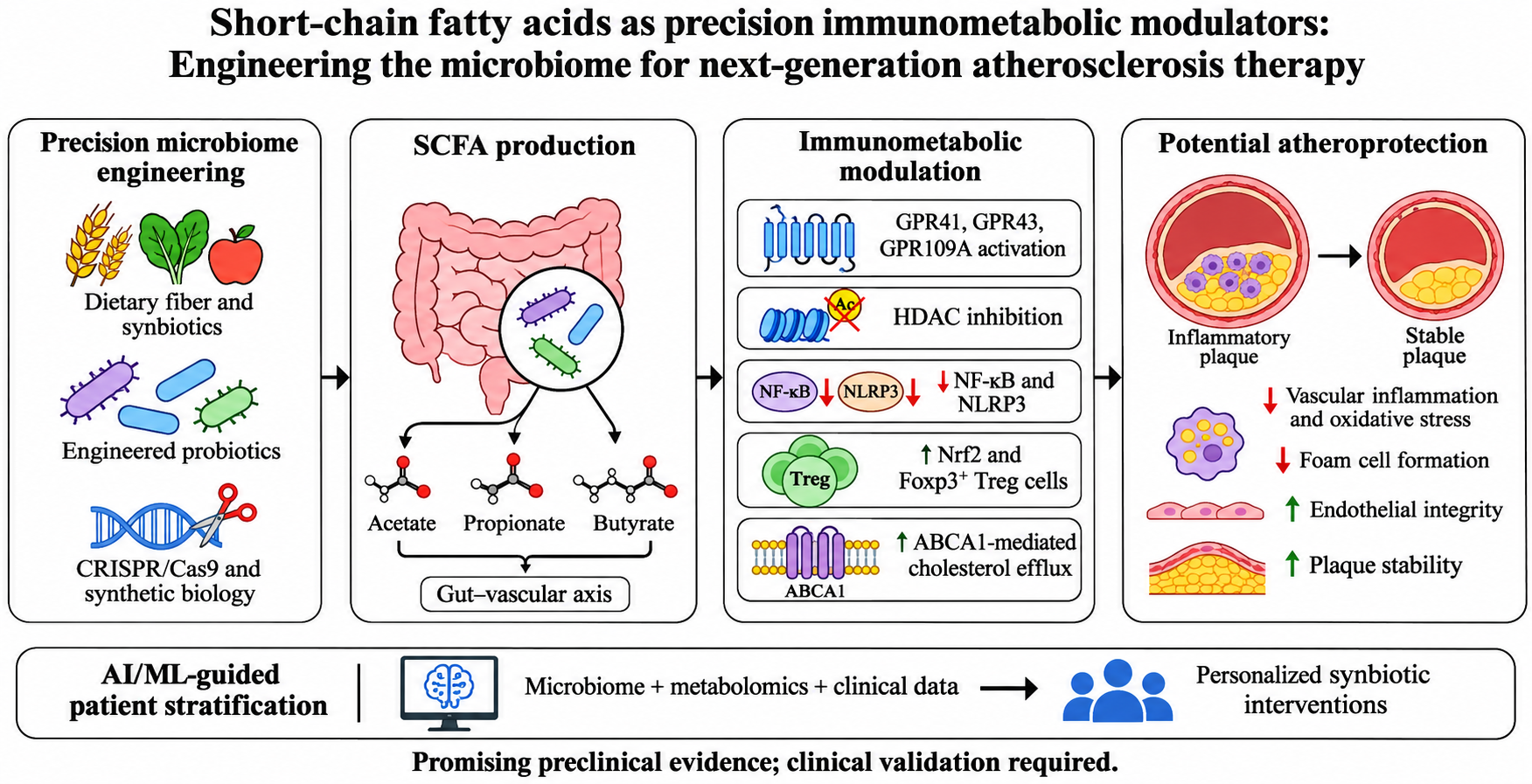
Short-chain fatty acids as precision immunometabolic modulators: Engineering the microbiome for next-generation atherosclerosis therapy

Abstract: Atherosclerosis is a chronic, low-grade inflammatory process that drives most cardiovascular diseases, beginning with endothelial injury, lipid retention and immune cell infiltration and progressing to plaque formation and rupture. Although current anti-inflammatory therapies, including statins, IL-1β inhibitors and colchicine, have demonstrated cardiovascular benefit, with IL-1β inhibition validating inflammation as a causal target and colchicine exemplifying the potential of repurposed drugs, these approaches remain non-specific and carry systemic side effects. Consequently, there is growing interest in identifying safer and more targeted therapeutic strategies to control vascular inflammation and slow disease progression. This review examines the therapeutic potential of SCFAs in atherosclerosis, focusing on their anti-inflammatory mechanisms, emerging microbiome-engineering strategies and opportunities for precision cardiovascular medicine. A comprehensive literature review was conducted using peer-reviewed articles retrieved from different scientific databases, including Google Scholar, PubMed, Scopus and Web of Science. SCFAs exert broad immunomodulatory and vasculoprotective effects, supporting their therapeutic potential through inhibition of the NLRP3 inflammasome, suppression of NF-κB signaling, promotion of regulatory T-cell differentiation, enhancement of endothelial barrier integrity and stabilization of atherosclerotic plaques. Preclinical studies consistently demonstrate reduced vascular inflammation and attenuation of plaque progression following SCFA-mediated interventions. Emerging biotechnological approaches, including engineered probiotic platforms and gene-editing technologies, enable targeted enhancement of SCFA production and therapeutic efficacy. Furthermore, AI and machine learning tools facilitate the integration of microbiome, metabolomic and clinical datasets to identify responsive patient populations and support the development of personalized synbiotic interventions. SCFAs represent a promising class of microbiome-derived therapeutics that can target key inflammatory pathways involved in atherosclerosis. Combined with advances in microbial engineering and AI-guided precision medicine, SCFA-based interventions may offer a safer and more targeted alternative to conventional systemic anti-inflammatory therapies, supporting their development as next-generation strategies for cardiovascular disease prevention and treatment.

Short-chain fatty acids as precision immunometabolic
modulators: Engineering the microbiome for next-generation atherosclerosis
therapy
Page No:744-762
Ming Liu, Ye Chen, Qingru MengView more
View Abstract

Browse by Topic

Research Scope & Subjects

Editorial Leadership

View Former Editors-in-Chief

Prof. Dr. Harris Shoaib

Editor-in-Chief

Faculty of Pharmacy and Pharmaceutical Sciences, University of Karachi, Karachi, Pakistan.

Specializing in Pharmacognosy and Natural Products Research, with over three decades of contribution to global pharmaceutical sciences.

2020 — PRESENT

Indexed & Abstracted in Leading Databases